
The United Nations’ Sustainable Development Goals (SDGs) are a call to action to tackle the main challenges facing humanity and our planet today. The SDGs propose a blueprint identifying opportunities to make our world more inclusive, peaceful, and sustainable by 2030.
USJ signed the SDG Accord, which is part of the university and college sector’s response to the global goals. So far, 331 educational institutions and 62 student associations from around the world have signed the accord. This network is facilitated by the Environmental Association for Universities and Colleges (EAUC) and supports topical discussions, wide collaboration and rapid communication, providing a means to share experiences, enhance collaboration, aid research, make new contacts and keep up to date with advancements in the SDG field.
Universities are important drivers for the realization of these goals, due to our role in shaping and empowering the next generation, creating a bridge between research and industry, serving as a platform for debate, contributing to policy development, and disseminating competences and skills to the wider community.
The University of Saint Joseph (USJ) assumes the commitment to contribute to sustainability as part of our core mission and strategy of promoting a caring and ethically responsible, economically, socially, and environmentally sustainable society.
USJ contributes to the SDGs in three ways: (1) by conducting and disseminating impactful SDG related research; (2) by embedding the SDGs in our campus life through teaching and learning, our operations, and our internal policies; and (3) by community engagement and outreach activities.
Gender Equality in USJ

Universities are important agents in promoting gender equality, by providing equal access to education, nurturing respect for all members of the academic and wider community, and providing contexts where diversity and participation are fostered, and women and men are empowered to contribute equally to society.
The University of Saint Joseph (USJ) embraces equality, diversity, and inclusiveness in our teaching and learning, campus life, research, and community outreach. We foster an open, welcoming environment where students, faculty, staff, and members of the public, of all backgrounds can collaboratively learn, work, and contribute.


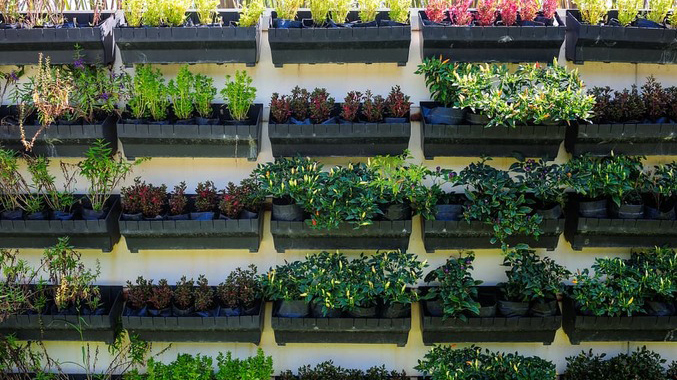


No Poverty
At USJ we are aware that education is a powerful tool to address poverty. Equal access to education can help students from low-income backgrounds find success, build more resilient communities, and create positive change.
No Hunger
The Food and Agriculture Organisation of the United Nations (FAO) describes hunger as an uncomfortable or painful physical sensation caused by insufficient consumption of dietary energy. Although Macao is a relatively wealthy city, USJ recognises the different needs of students from various socio-economic backgrounds and with different eating habits.
Good Health and Well-being
We provide free mental health support to our students and staff and to the community at a reduced rate through our Counselling Services. We are also promoting physical health through our sports facilities, which are shared with a local secondary school. USJ students and staff are welcome to use the fitness room/gym located on the 4th floor of the Residential Hall, as well as the swimming pool.
Quality Education
Our University Library is open to the community, welcoming readers regardless of their status as students or staff. During the 2024-2025 academic year, we further strengthened access to quality learning resources by inaugurating the USJ Guilherme Lo Teresa Lei Lo Library at the heart of our Ilha Verde Campus (main campus), a powerful sign of our commitment to the search for truth and to providing modern facilities that promote inclusive and equitable quality education. USJ provides public events, vocational training programmes, and education outreach activities to support the community’s continued learning.

Gender Equality
To support the integration of learning throughout life, USJ offers a variety of services and activities targeting the wider community. Our policy is that all services and activities be accessible to all, regardless of age, ethnicity, religion, disability, or gender.
Clean Water and Sanitation
Water is an essential and finite resource that should be protected. At USJ, we are committed to our Green Campus Environmental Action Plan, which includes rainwater harvesting and recycling systems.
Affordable and Clean Energy
At USJ, we are committed to the use of alternative and cleaner energy sources, such as solar panels, and solar-powered water heating, and to the reduction of our energy needs through the use of low energy consumption and LED bulbs.
Decent Work and Economic Growth
USJ strives to promote sustained, inclusive, and sustainable economic growth, full and productive employment, and decent work for all. Ensuring our students are positioned for a smooth transition from university to the workplace is a priority at USJ.

Industry, Innovation and Infrastructure
Infrastructure provides the basic physical facilities essential to business and society; industrialization drives economic growth and job creation, thereby reducing income inequality; and innovation expands the technological capabilities of industrial sectors and leads to the development of new skills.
Reduced Inequalities
USJ promotes equal access to education and works for people with disabilities in accordance with the Convention on the Rights of Persons with Disabilities. Our campus facilities are disability accessible, and we have processes to accommodate the individual needs of students with disabilities.
Sustainable Cities and Communities
USJ strives to provide our students with a sound academic foundation and to contribute to their integrated development as responsible global citizens. We believe today, more than ever, this must include a focus on sustainability.
Responsible Consumption and Production
USJ is committed to increasingly adopting and promoting responsible production and consumption patterns. Some of these increases are described in our Environmental Action Plan.

Climate Action
In order to support the study and conservation of local mangrove ecosystems, USJ’s Institute of Science and Environment has organised a series of activities to promote ecosystem rehabilitation and maintenance, along with the enhancement and protection of biodiversity in the local coastal wetland ecosystems.
Life Below Water
In USJ we are committed to our Green Campus Environmental Action Plan, which includes systems of rainwater harvesting and recycling to reduce the damage done to local waters by untreated runoff and pollution.

Life on Land
Food waste is a global issue. Reducing food waste could mean that less land is converted to agricultural use, which would have a significantly positive impact on the protection of land ecosystems.
Peace, Justice and Strong Institutions
USJ ensures the representation of students, faculty, and staff in school governing bodies through our student association and regularly held elections to University governing bodies.


Partnerships for the goals
USJ strives to provide our students with a sound academic foundation and contribute to their integrated personal and social development. We believe today, more than ever, this must include a focus on social, economic, and environmental sustainability.